
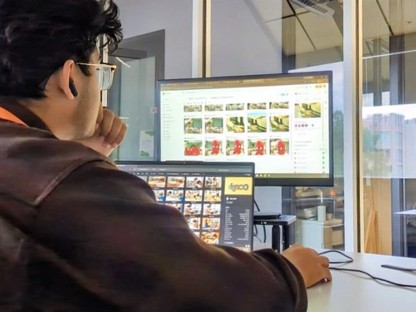
Two days before the closing presentation, I had a five-minute cut of my documentary project for KID Museum. It was slow on purpose. Long shots of a kid focused on what they were building, talking it through as they worked. My supervisor watched it once and told me to cut it down to three minutes, maybe less. She said people would start checking their phones by minute two.
I didn’t want to hear that. I’d built the slow parts on purpose. Those were the shots I liked best. But I trimmed it anyway. Not because I agreed. Some part of me thought she might be right, and I just didn’t trust that part of me yet.
Two weeks later, I started cutting a completely different video. Eleven minutes long, for the closing presentation itself. Same instinct I’d just been told to override. I let it breathe again. Slow shots, b-roll I picked because it meant something, not because it filled space. This time, nobody told me to speed it up. I didn’t ask.
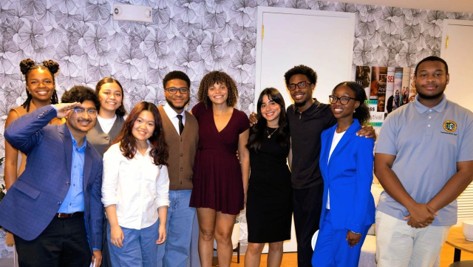
That video played for the whole cohort, our mentors, and guests from every organization we’d visited that summer. Eleven minutes, most of it slow. People clapped longer than I expected. The founder called me a Hollywood-level editor. Nobody reached for their phone.
Looking back, those two edits weren’t really about pacing. They were about knowing who’s on the other end. My supervisor wasn’t wrong about parents scrolling past the documentary video. She’d spent years actually talking to those parents, so she knew what they’d sit through and what they wouldn’t. I wasn’t wrong about the closing event room either. I’d spent the whole summer with those people. I knew what they’d earned and what they’d stay for. Neither cut was the “right” style. Each one just fits the person watching it.
I got a smaller version of this same note earlier that summer, with an audience I understood even less. A room full of museum staff. I planned to show a year of Instagram and Facebook data as one quick slide, get the numbers out of the way, and move on. My supervisor told me leadership would actually want to sit with the real numbers, slowly, and ask questions. I thought that would bore them. It didn’t. They asked more questions about that data than anything else I presented all summer.
Both times, someone who knew the audience better than I did caught something I couldn’t see on my own. Not because a slow video is more honest than a fast one, or because more data is always better than a clean slide. Neither is true on its own. What worked was whatever actually matched the person receiving it, and I couldn’t always tell which one that was just by looking at my own work.
A few weeks later, we visited a small creative agency as part of the fellowship. The founder there told us about a rebrand her team had done. The client almost said no to the version that ended up working. From inside their own brand, they couldn’t see it. Someone outside had to see it for them first. I think that’s the real pattern across all three moments. The person closest to the work is often the last one who can tell how it will land, simply because they’re too close to separate what they like from what the audience actually needs. My supervisor could see the parents scrolling because she wasn’t attached to my shot list. I could see the closing event room because I wasn’t the one worried about someone’s attention span. We each just knew one room better than the other did.
That’s what I’d tell the next fellow going into communications work. Good instinct isn’t something you carry into every project the same way. It’s a read on one specific audience, and it’s only as good as how well you actually know that audience. The real skill isn’t trusting your gut or ignoring it. It’s figuring out, project by project, whether the read in your head belongs to the people you’re actually making something for, or just to you. Getting that wrong doesn’t mean your instinct is bad. It usually just means you’re reading the wrong room.