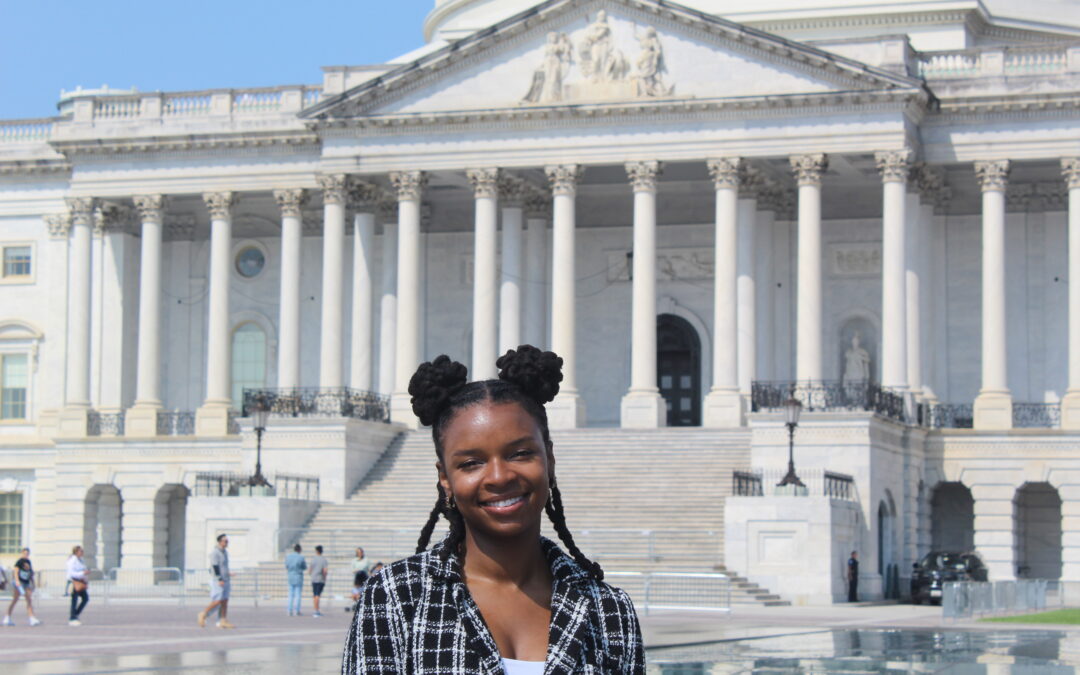
A story is only as good as its messenger. Not only did I have the opportunity this past summer to amplify hundreds of stories from across the country on a national platform, but I also became a student again, learning what it takes to be a competent storyteller. I’ve said this before, but I had no idea what a strategic communications agency was coming into this internship. I could only guess, but I never knew the depths of planning, research, and years of preparation it takes to pull off a people-centered campaign like One Nation, Overcharged until I began.
Something alignco does very well in its strategy is transcultural and multicultural communication. Along with that, they meet people where they’re at with simple, focused messaging while maintaining their data-driven and research-informed basis to understand what people would best respond to. The understanding that we were talking to real people rather than lawmakers stuck with me and helped me realize that tailoring communications to different audiences is imperative. It also requires you to know and understand your audience fundamentally.
Communication—especially public interest communications—and marketing are all about understanding your audience and getting them to act—whether that’s in behavior, action, or choices. The social content, strategic planning, and overall messaging for this movement were that everyone is welcome into this space and has a voice that can make a substantial impact. It’s easy to get stuck in an echo chamber of communications professionals that can feel impersonal and ill-fitting because you can be book smart but have no idea how to teach the next person, but with alignco, we were always constantly looking for a way to speak in a way our audience understood.
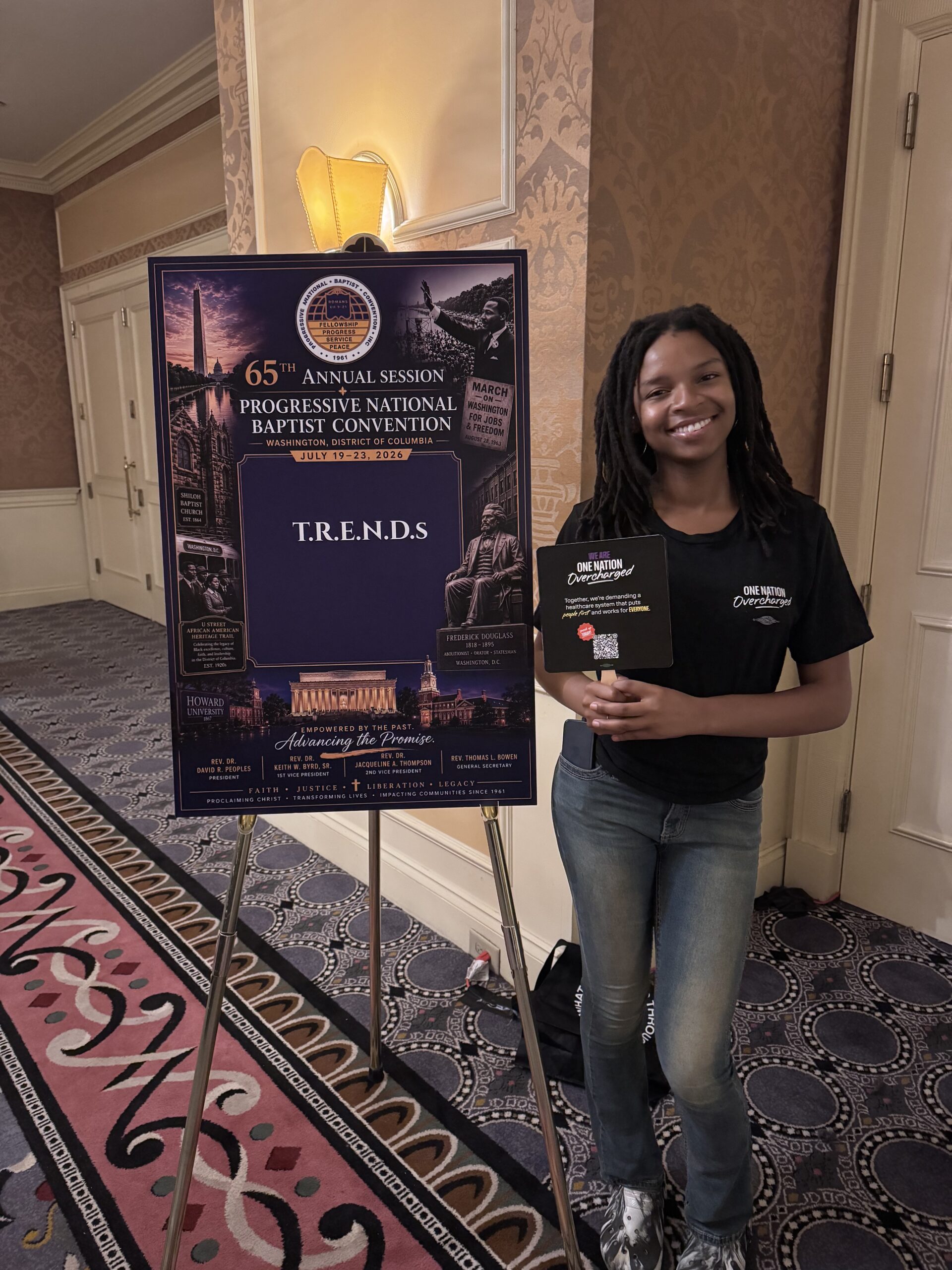
Another underestimated effect of communication is its power to evoke emotions, from which passion stems. We were always constantly editing and tailoring our message to all our various community partners, and especially with our national virtual rally, where we were talking to so many people from different walks of life, we had to connect with them. When tabling at conferences and spaces like the National Progressive Baptist Conference, I got to speak with so many people who just wanted to vent and share their frustration, anger, pain, sadness, grief, and more, so I focused on connecting with them through emotions and communication that isn’t just talking at them. Even going into the day of the virtual rally, we were always adding something to the script or editing something out because we understood that communication is always evolving. This was a multicultural communications approach.
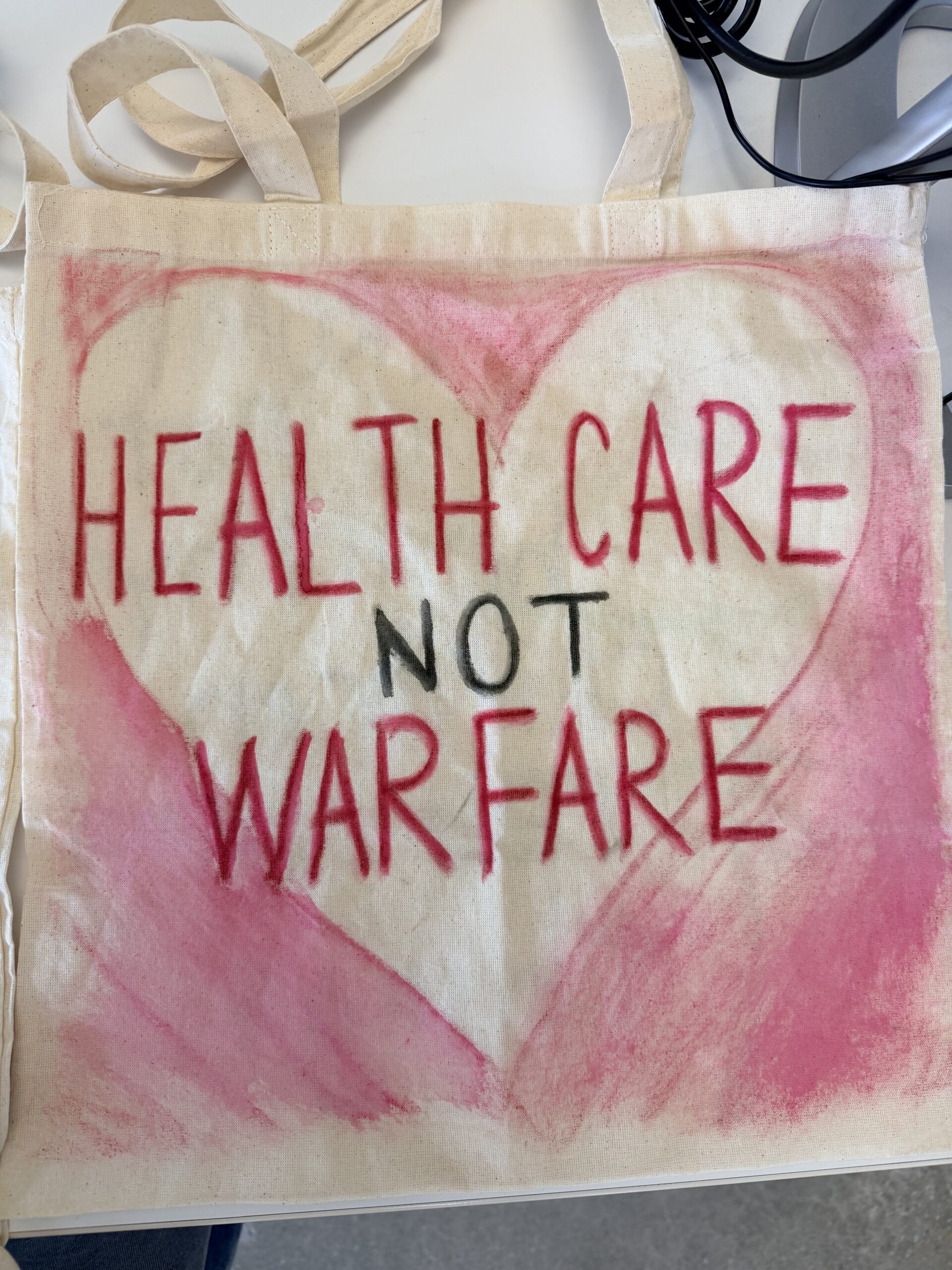
Now, with the transcultural framework, we took the information regarding a particular community to create messaging based on that knowledge. For example, this is me at the Progressive Baptist Conference, and if you know anything about Baptists, you know they love hand fans, but displayed on it, it says, “We are Called to Care for One Another.” For Christians, one of their main tenets and principles is to show love for one another, so this messaging would invoke more emotion and result in individuals taking action more so than simply saying “One Nation Overcharged.”
How did I become a greater messenger? I formulated messaging that was based on these questions: Who are they? Where are they coming from? Who sent them? What do they care about? Never in a transactional manner with our community, but in an authentic manner that resonates and leaves them with more than what they came in with.